How We Study Life at the Molecular Level
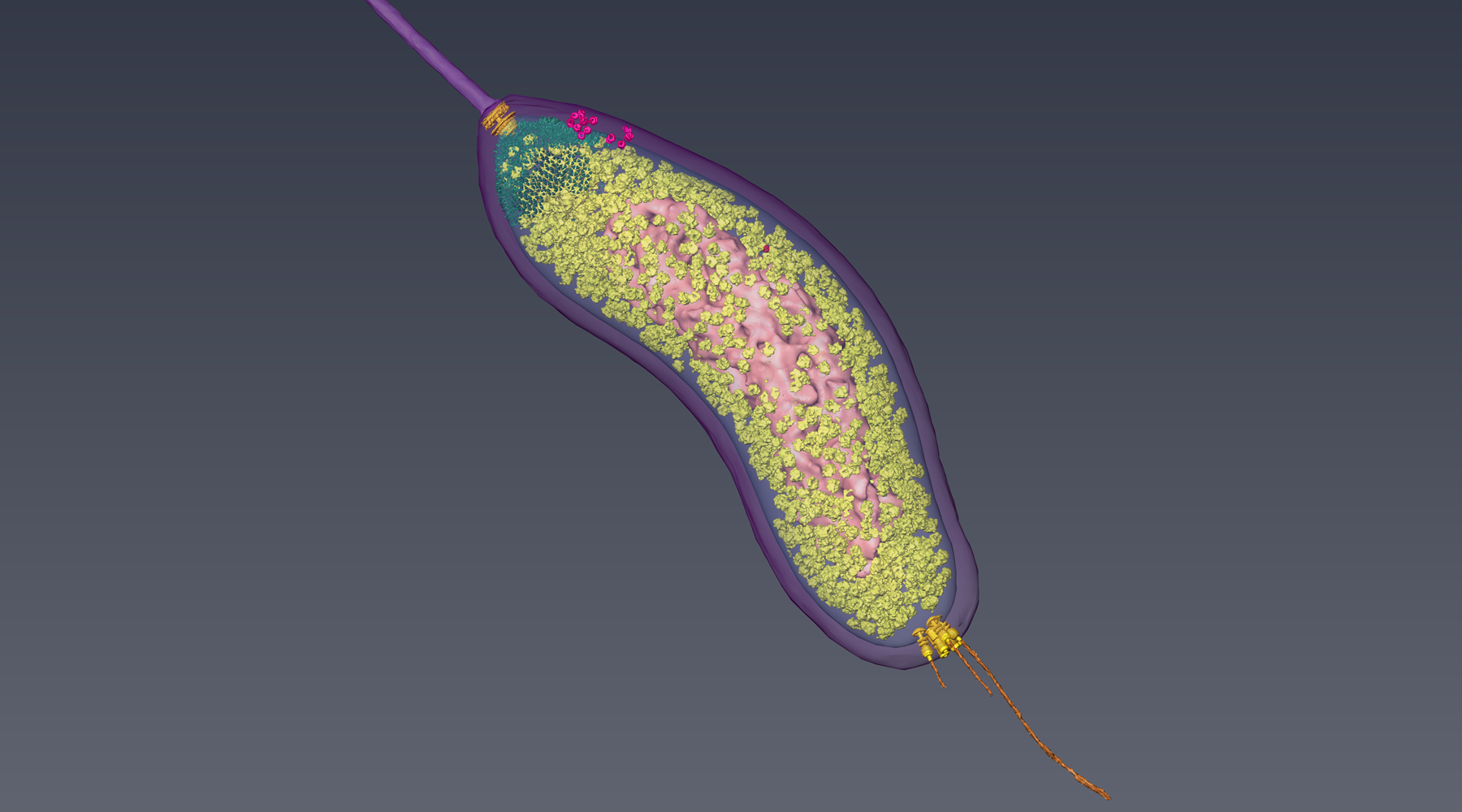
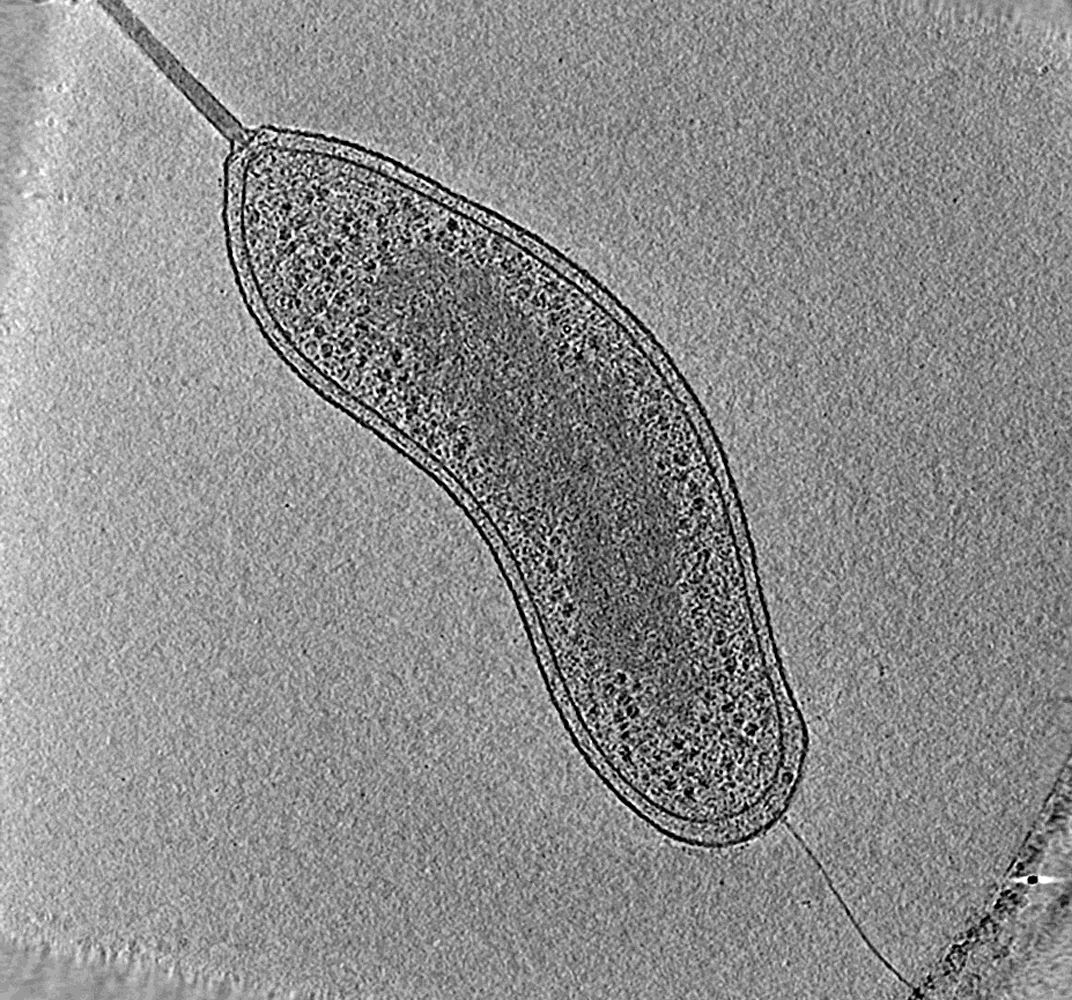
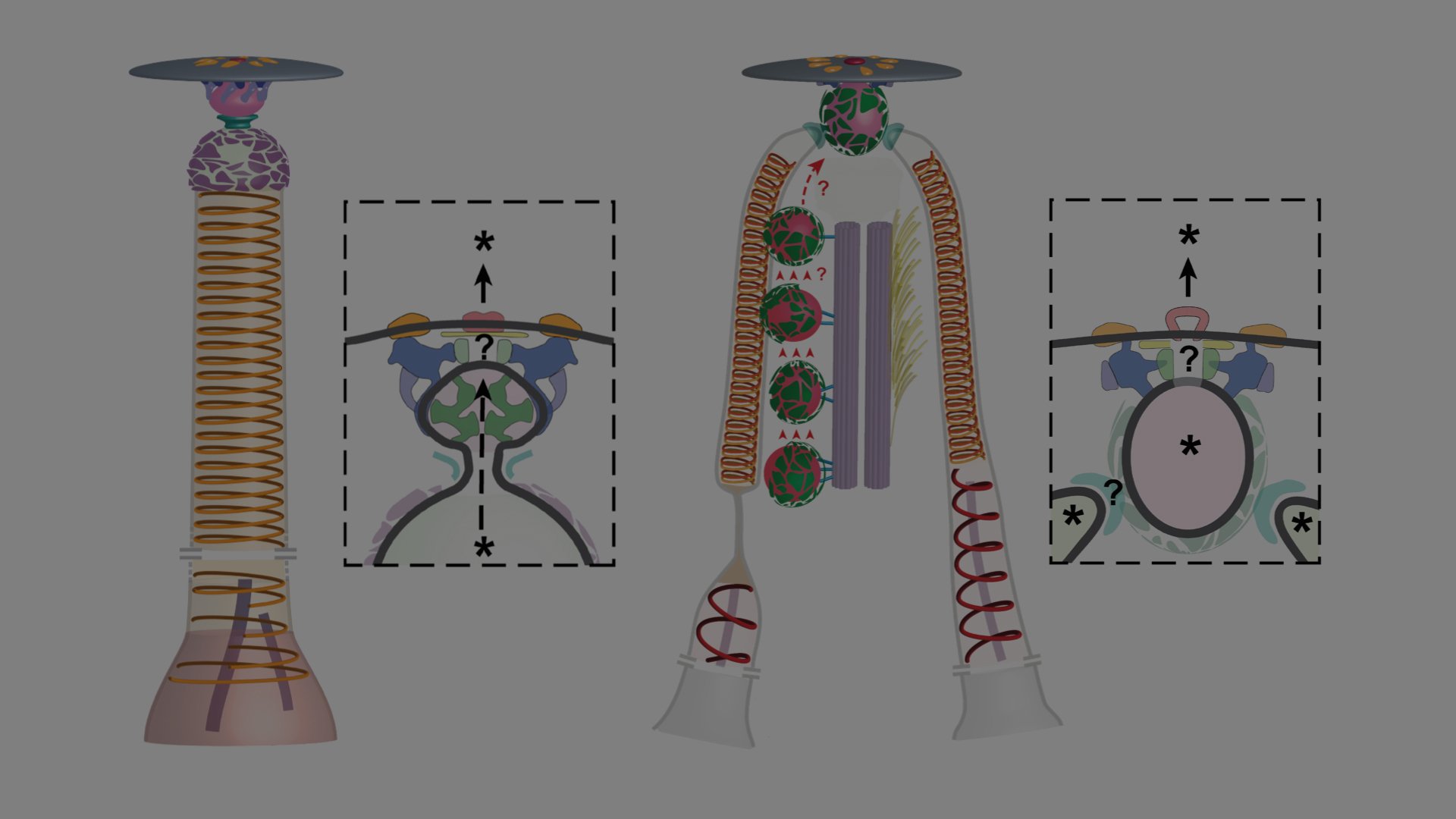
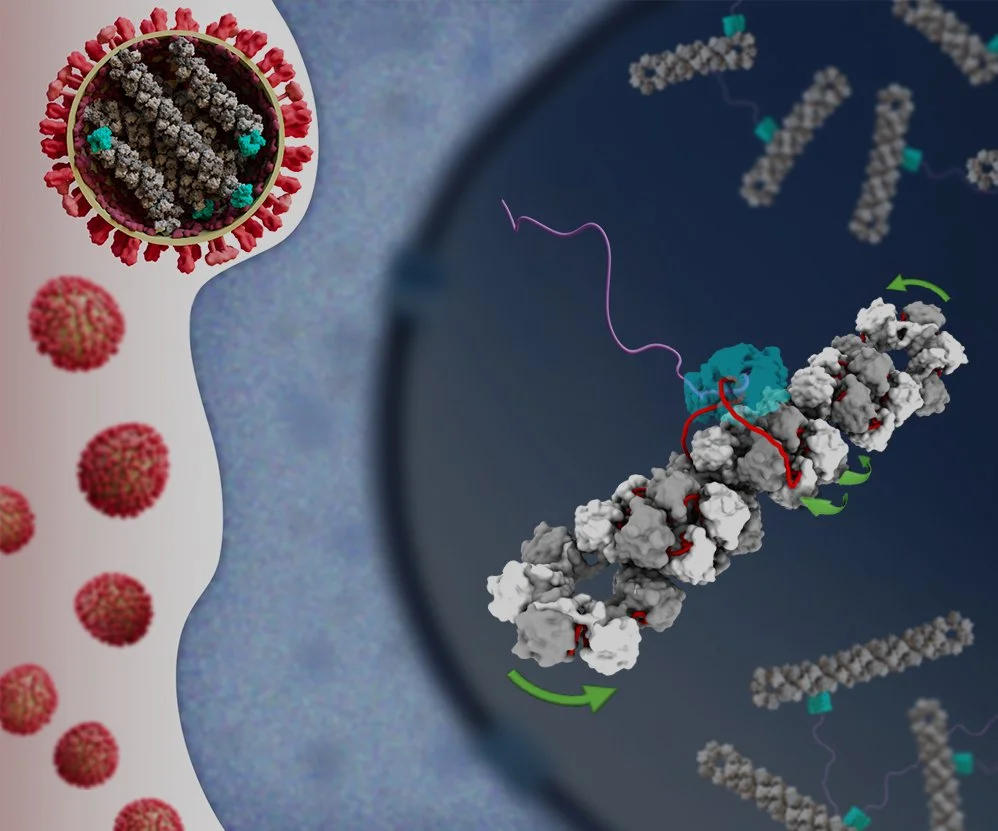
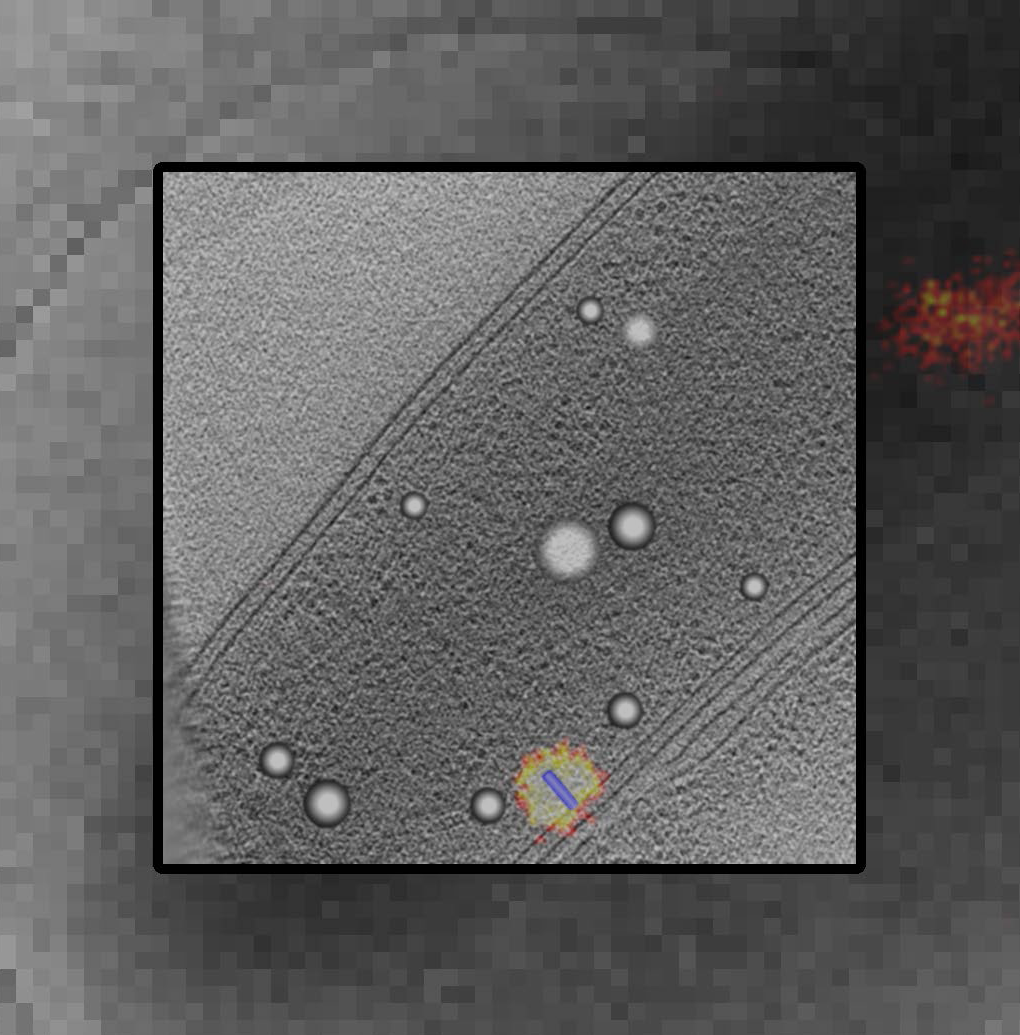
Biological function arises from molecular structure. The Chang lab at the University of Pennsylvania investigates how the shapes and organization of molecules within cells give rise to life’s processes. Rather than focusing on isolated molecules, we use cryo-electron tomography (cryo-ET) to image macromolecular machines directly within intact cells and tissues. This approach allows us to visualize how these machines are organized, how they interact, and how they function in their native environment. Through this in situ perspective, we gain insight into complex biological processes, from fundamental genome regulation to pathogen invasion and host-pathogen interactions, as well as the mechanisms by which diseases arise and may be targeted for intervention.
Leveraging cryo-ET as a unifying platform, we promote and enable cross-disciplinary collaboration across the University of Pennsylvania, connecting researchers from the Perelman School of Medicine, School of Arts & Sciences, School of Engineering and Applied Science, School of Veterinary Medicine, and School of Dental Medicine. By bringing together expertise spanning biology, medicine, chemistry, physics, and engineering, we create an integrative framework that allows fundamental questions to be tackled from multiple angles and across scales.
In parallel, we develop and integrate next-generation methodologies that expand the scope of cryo-ET. By advancing sample preparation, multimodal light and electron imaging, AI-assisted data analysis, integrative structural modeling, and complementary approaches from materials science and engineering, we extend structural biology beyond isolated molecules toward a unified, multi-scale understanding of living systems.
The Power of
Studying Biology
by Cryo-ET
Structural Parasitology
Viral Assembly
& Drug Discovery
Genome Organization & Gene Expression
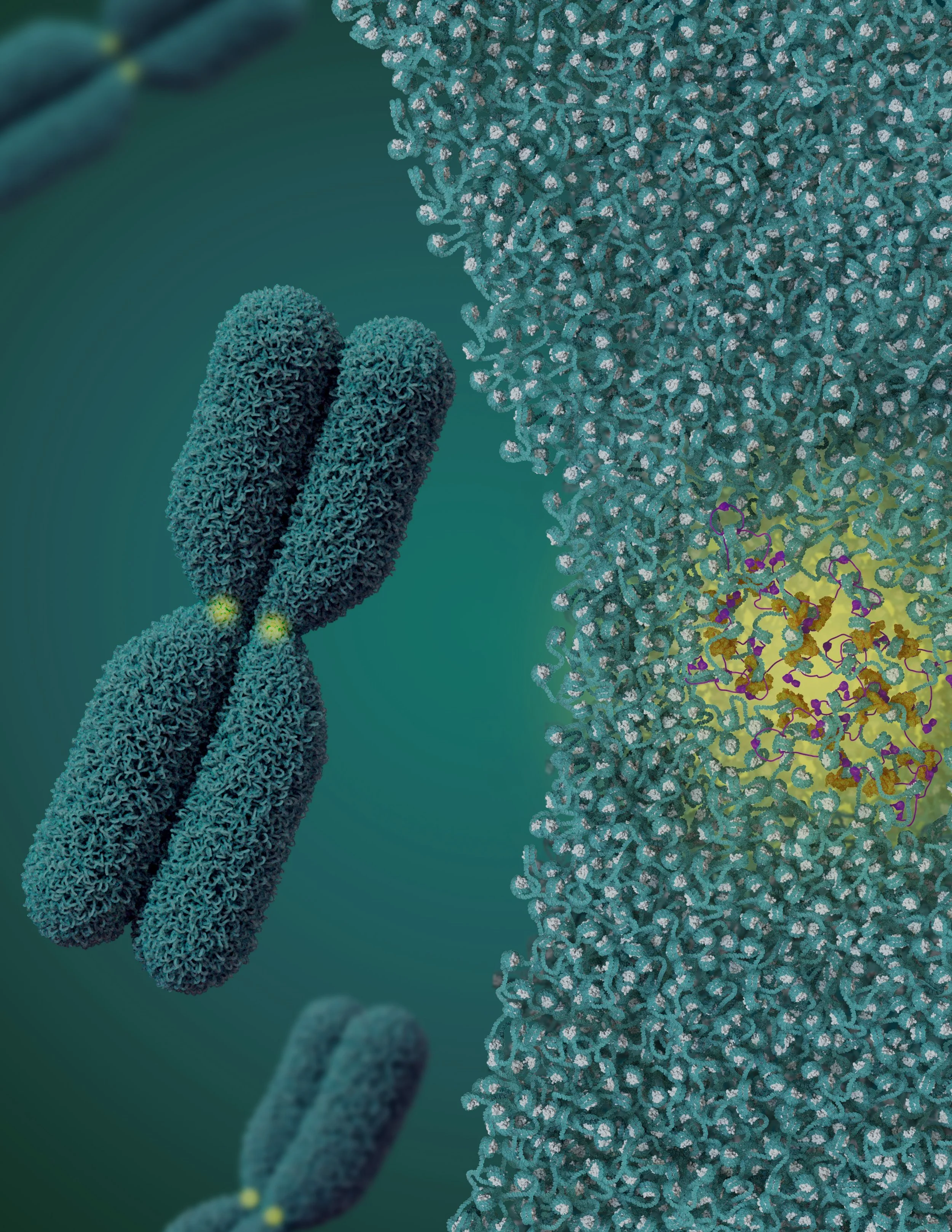
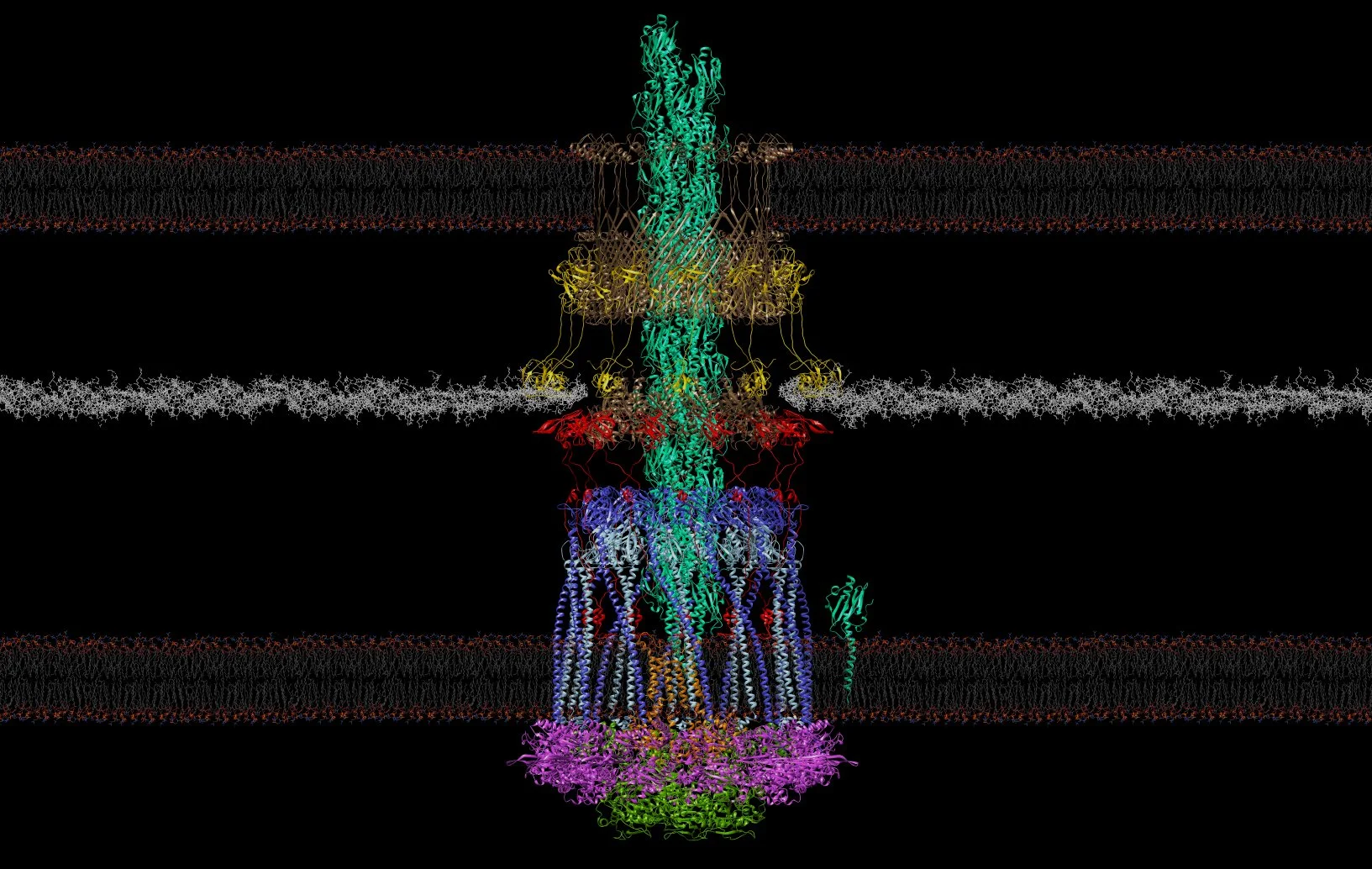
Bacterial Machines
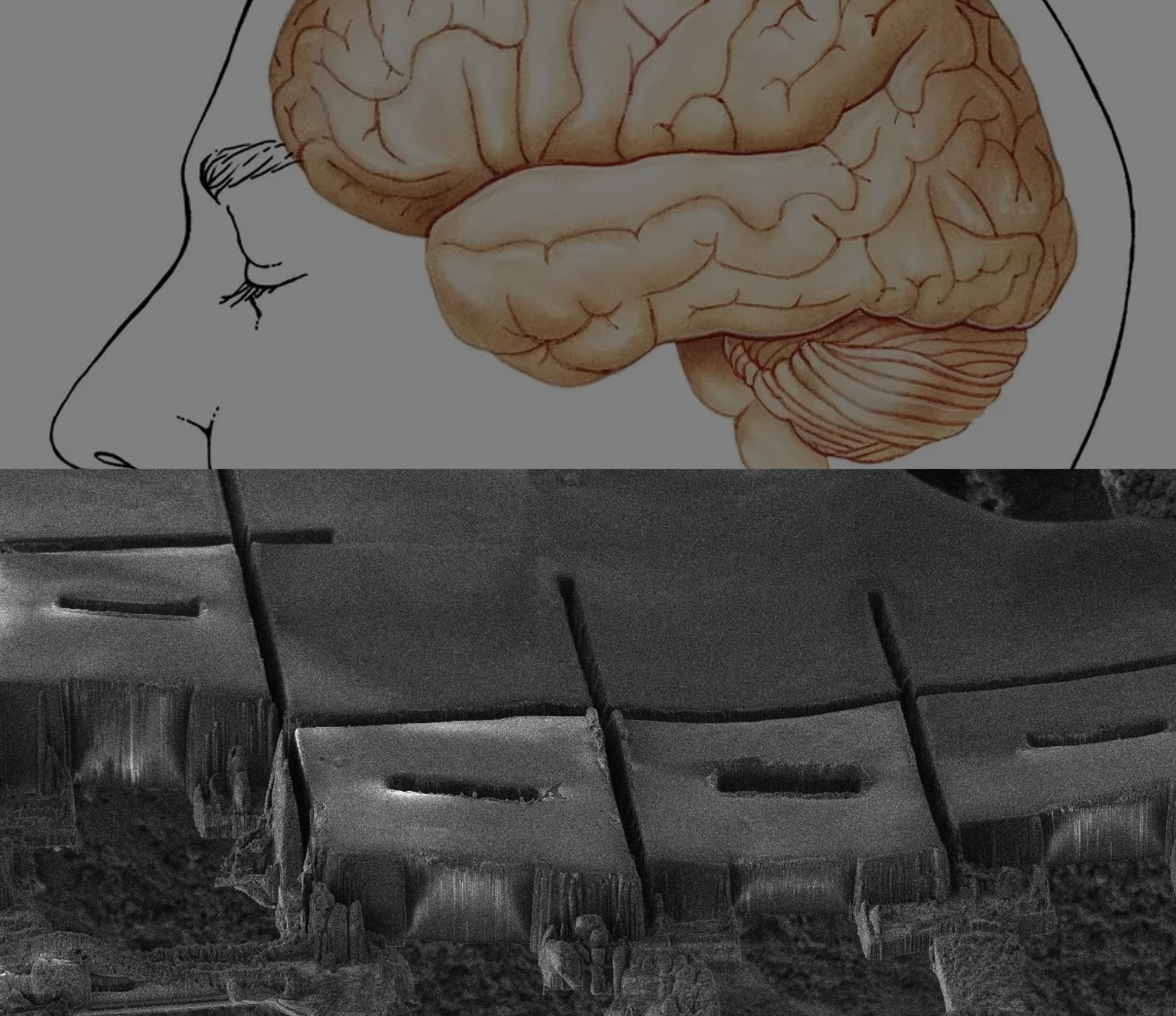
Neuroscience
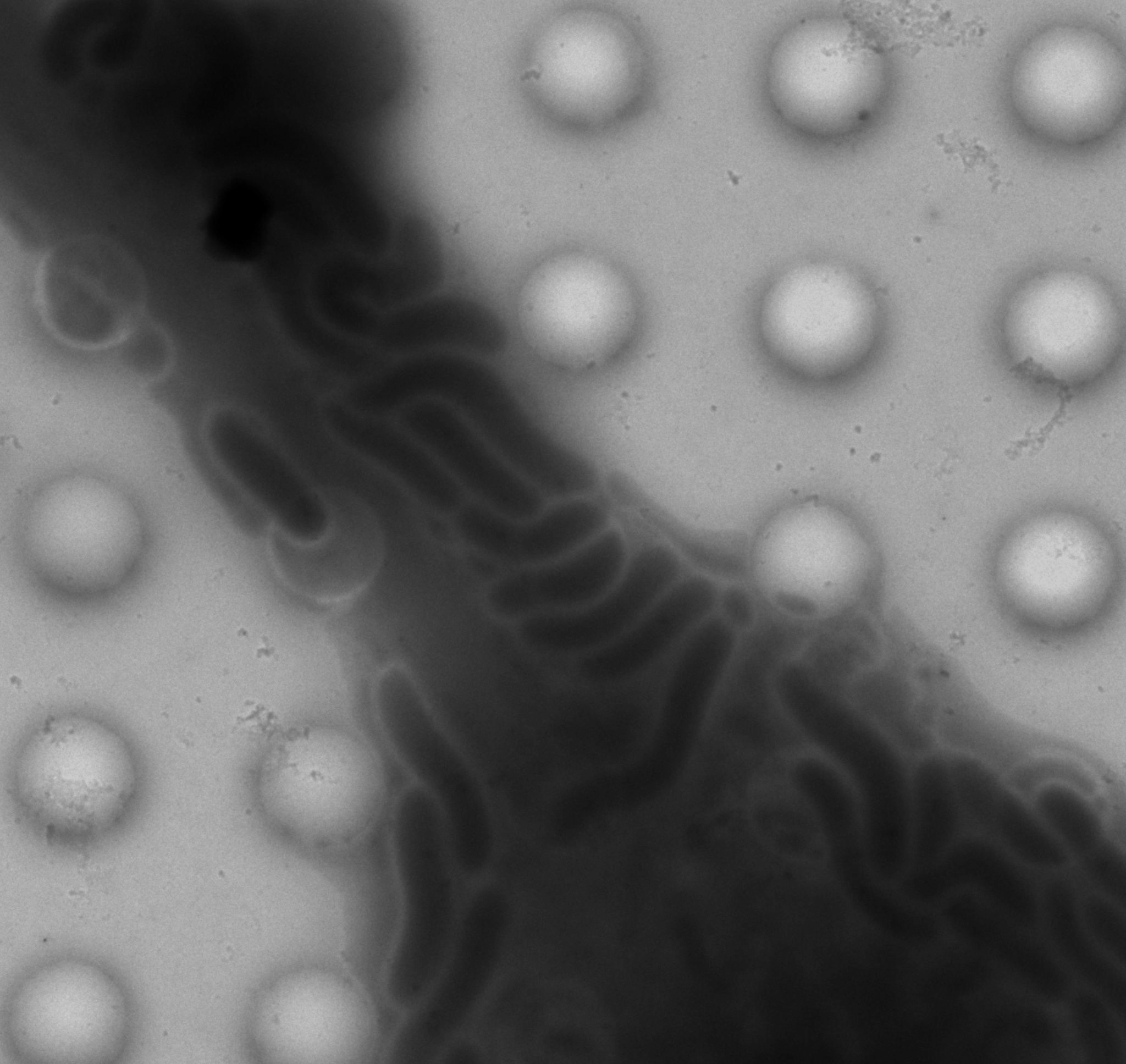
Host-Pathogen Interactions
Cryo-ET Methods Development
“It is very easy to answer many ... fundamental biological questions; you just look at the thing!”